Author: Vincent

  • Coro Park – Review

    Coro Park – Review

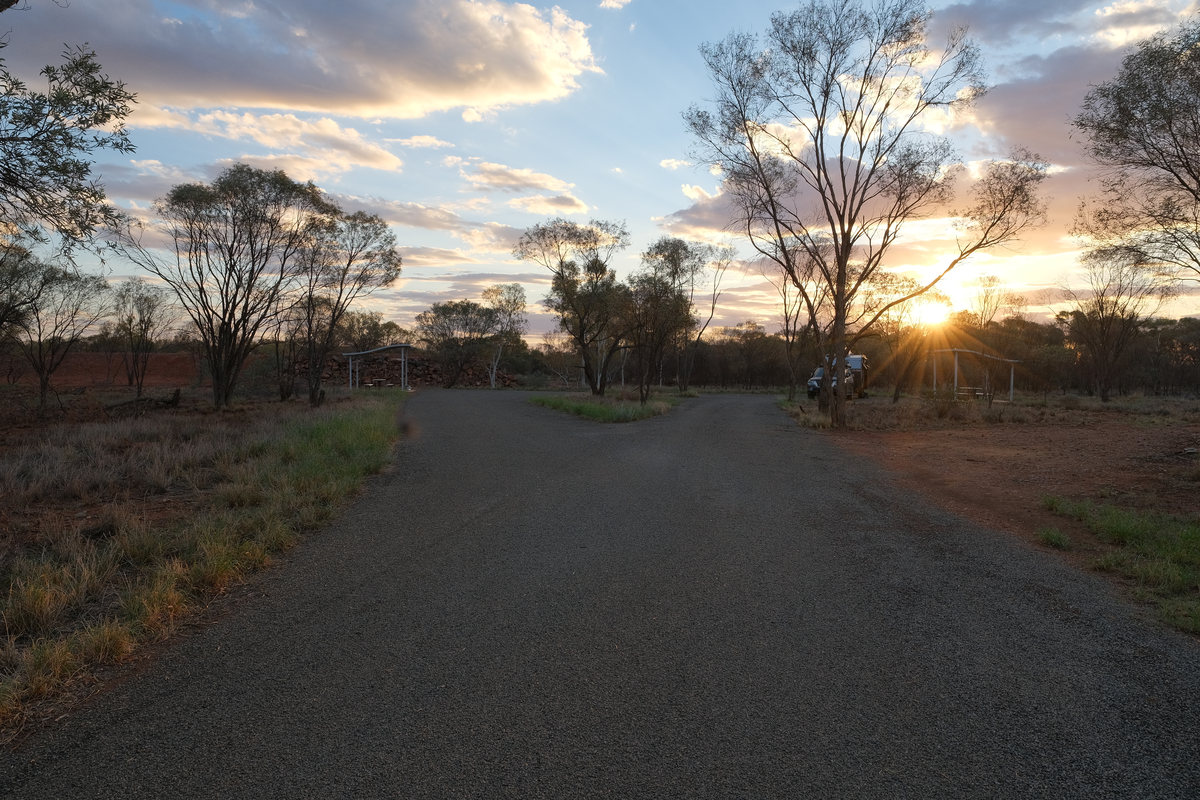
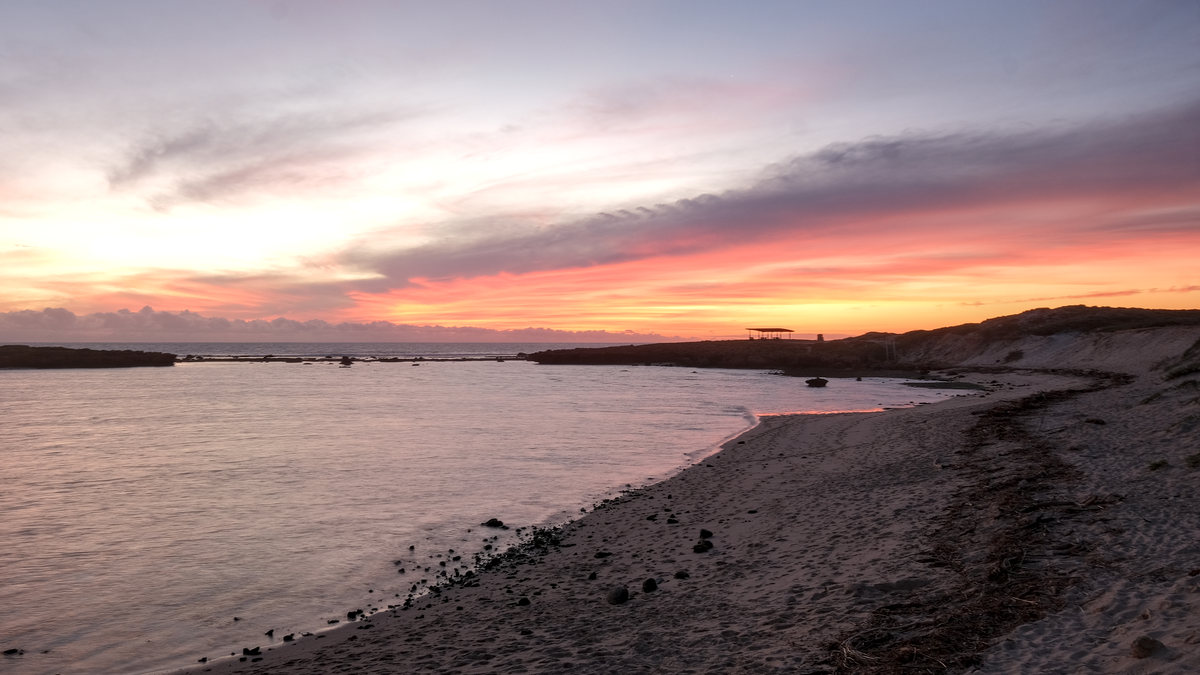
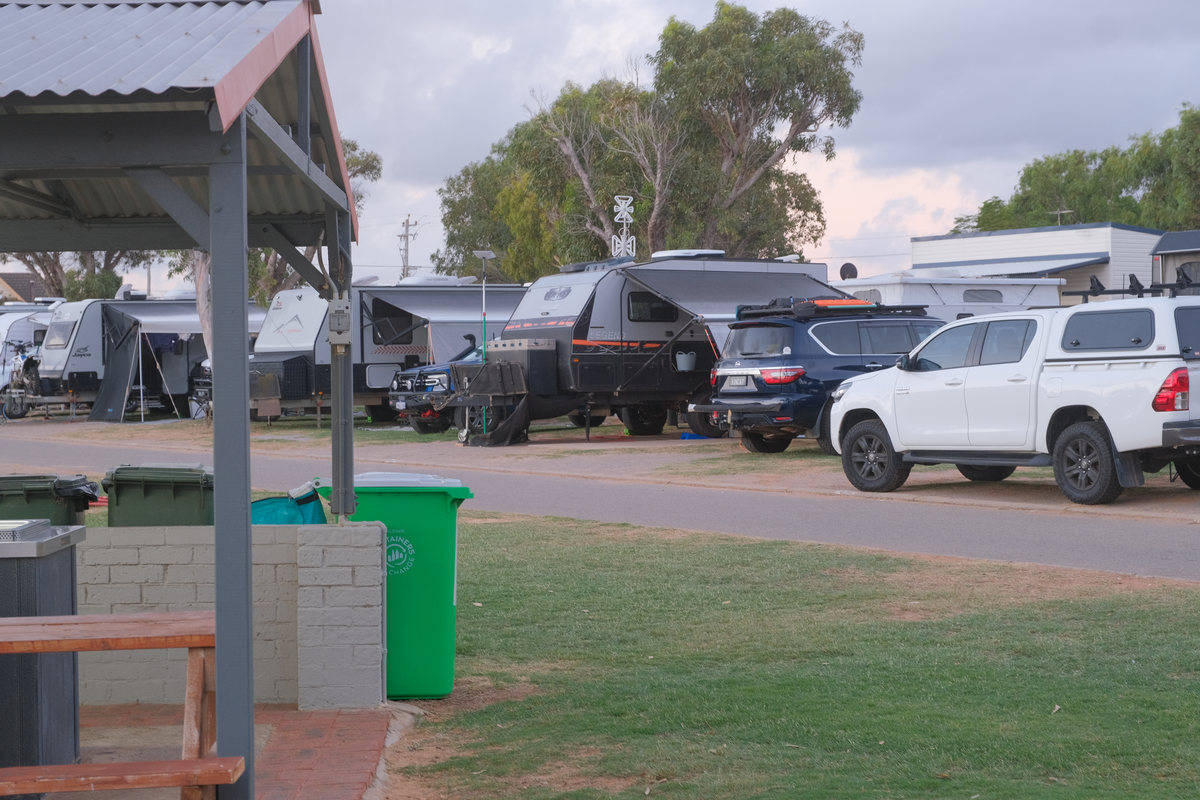
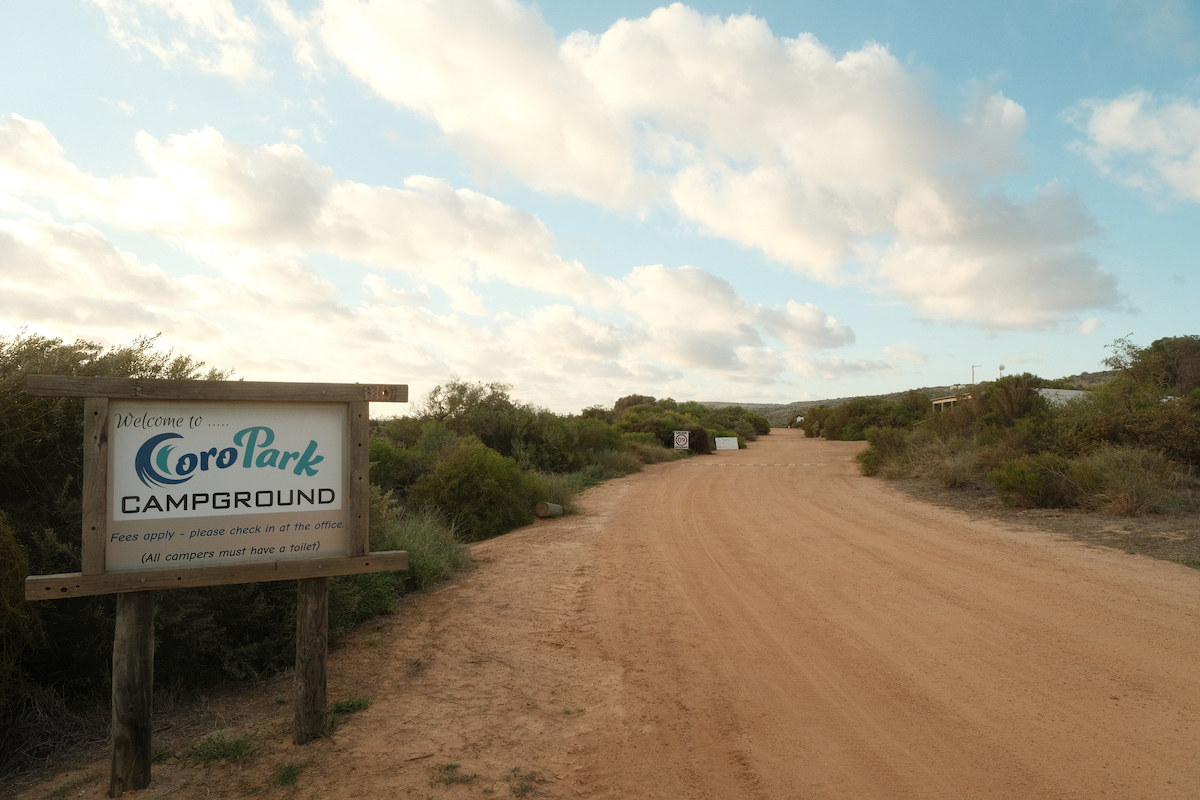
    Coro Park is a self-contained campsite about 30 minutes north of Geraldton on the WA coast. It’s a simple setup without the usual caravan park facilities, but it offers something a lot of coastal stays struggle with, well-designed sites that give you shelter from the wind, along with easy access to the beach and ocean views.

    At $15 per person per night, it’s an affordable option for self-sufficient travellers who don’t need power or water and are comfortable managing their own setup.

    • Website: Coro Park
    • Fee Category: Paid, from $15 / person
    • Booking: Yes, phone, Internet
    • Powered Sites: No
    • Dog Friendly: Yes
    • Amenities: Yes – short walk
    • Dump point: Yes
    • Pool: No
    • Fire Pits: Yes, fire-restrictions
    • Telstra: Flaky
    • Starlink: No problems
    • Generator: Yes
    Shadow in the wind at the look out.
    Shadow in the wind at the look out.

    Our Experience

    We arrived a little early, but that wasn’t a problem. The camp hosts had left an envelope with all the instructions we needed to find our site and get set up, which made things straightforward.

    One of the standout features at Coro Park is the way each site is bordered by hedging. On this stretch of the WA coast, that makes a real difference. It gives each site a bit of privacy, but more importantly, it provides useful shelter from the wind. You really notice this when you walk down to the beach and feel how strong the wind can be out in the open. While we were there, there were a few windsurfers out, which tells its own story about the conditions.

    There are no amenities on site, but a short walk away there are toilets and a dump point. Both were clean when we were there.

    The sites themselves looked relatively level and were made from compacted rock, which makes them practical and easy enough to set up on. Some are drive-through as well, which is always a bonus.

    Another thing that stood out to us was the lack of flies. Whether we just timed it well or it’s often like that, we’re not sure, but there were not many around at all, which felt almost unusual for a coastal WA campsite.

    Overall, Coro Park felt like a simple but well-thought-out place to stay if you’re properly self-contained and want a coastal stop with shelter, views, and beach access rather than a full-facility caravan park.

    Some Pics

    Summary

    We will definitely be back here if we are in the area again.

    The hedged sites offer valuable wind protection, many sites are level, some are drive-through, and the beach and lookout are both only a short walk away. If you’re self-sufficient and don’t need power or water, it looks like a very good option.


    Thanks for reading Coro Park – Review. Shadow, the van, and the two of us will catch you at the next campsite.

    If you enjoy this kind of content, you can sign up for the newsletter. You’ll get an email when a new post goes live (usually around 4–6 a month), plus a monthly wrap-up.

    Newsletter Sign Up

    Sign up to receive awesome content in your inbox, every month.

    We don’t spam! Read our privacy policy for more info.

  • April 2026 – Travel Expenses

    April 2026 – Travel Expenses

    Another month has gone by, and this one has finally seen a bit of improvement to the bottom line. After a few expensive months, the overall figure has started to come back down to a more reasonable level.

    That said, the rising cost of living is definitely starting to bite now. Food prices continue to creep up, and fuel costs are once again becoming a noticeable part of the budget.

    Travel plans have also taken a few hits this month. Exmouth is now off the list thanks to Cyclone Narrelle, and we have also just received news that the caravan park at the Bungle Bungles will be closing for the season due to insufficient bookings.

    That is one thing about long-term travel around Australia, plans can change very quickly because of weather, road conditions, or simply the economics of running remote tourist areas.

    April 2026 expenses
    April 2026 expenses

    Breakdown of the unusual expenses

    • Fuel: the increased fuel prices are really starting to bite now. I have increased our monthly fuel budget to $1,200, which is roughly a 30% increase from where we were previously. Even that may not end up being enough, especially once we start heading into more remote areas where prices can climb very quickly.
    • Groceries: The further north you go, the more expensive groceries seem to get. Add rising transport and fuel costs on top of that, and it is pretty clear those increases are now flowing through into supermarket prices as well.
    • Dog Expenses: Shadow had a trip to the vet this month for a general check-up and to get some preventative medication sorted before heading further north. That included a Paralysis Tick control collar, which is something we definitely do not want to skip once we get into tick country.
    • Car repairs/maint: We also picked up some spare filters for the Gibb River Road trip. Dust out there can be brutal on vehicles, so there is a good chance they will need replacing by the time we come out the other side.

    Expenses – summary

    Expenses – Sumary

    MonthTotalAcommodation
    (avg/ay)
    Per day
    December$8,211$87.5$264
    January$4,090$20.8$131
    February$10,309.54$16$368
    March$11,303$61$364
    April$6,123$37.2$204
    May
    June
    July
    August
    September
    October
    November
    Monthly avg$7,007$44.5$266
    A running totals and averages for the year 2026

    Summary

    One thing we have definitely started doing is cutting back on takeaways and eating out. It is one of the easiest areas to rein in spending when costs everywhere else are creeping higher.

    We are also thinking a bit more carefully about which attractions we visit. These days it has to feel worthwhile before we hand over the money.

    That is simply part of life on the road. Going home is not really an option for us anyway, as our house is leased out for another year, so we just adjust and keep moving forward.

    Even with the rising costs, we still would not trade this lifestyle. It just means being a little more selective and keeping a closer eye on the budget than we used to.

    If you’re interested in what it costs us to travel full time, you can see all of our monthly expense reports here.


    Thanks for reading April 2026 – Expenses. Shadow, the van, and the two of us will catch you at the next campsite.

    If you enjoy this kind of content, you can sign up for the newsletter. You’ll get an email when a new post goes live (usually around 4–6 a month), plus a monthly wrap-up.


    Newsletter Sign Up

    Sign up to receive awesome content in your inbox, every month.

    We don’t spam! Read our privacy policy for more info.

  • What Size Generator Do I Need for Caravan Travel?

    What Size Generator Do I Need for Caravan Travel?

    Introduction

    Once you have worked out that a generator might be useful, the next obvious question is: what size generator do you actually need?

    If you have not already, have a look at my earlier article: Do I need a generator for caravan travel?

    The answer depends entirely on what you expect the generator to do.

    Do you simply want to charge your batteries during poor weather? Or are you expecting the generator to run heavier appliances as well, like the caravan air conditioner?

    Those are two very different jobs.

    A generator that is perfectly adequate for battery charging may be nowhere near large enough to comfortably run larger appliances like an air conditioner.

    In reality, depending on where you travel, you may not need a generator that often at all, for us living on the road full time we have only needed it a couple of times a year. But when we needed it, it was a life saver.

    It is better to have one and need it, than to need it and not have one.


    Start with the Job

    Before choosing a generator size, ask yourself what role it will play in your setup.

    Do you want it to:

    • charge your batteries in poor weather?
    • top up the batteries after a few days off-grid?
    • run a few smaller appliances?
    • act as a backup so you do not have to head into a caravan park?
    • run the caravan air conditioner and other power hungry appliances?
    • power the van like you are plugged into shore power?

    Until you know that, generator size is mostly guesswork.

    For Many Travellers, the Generator Is Mainly for Charging

    For a lot of caravan travellers, the generator is not really about running lots of appliances directly. It is simply a backup charging source when solar falls behind.

    If that is your use case, then the size of your battery charger matters just as much as the generator itself.

    For example, if your van has a 40A battery charger, there is a limit to how much charging power you can actually use. In that situation, buying a large generator won’t achieve much, because the charger becomes the bottleneck.

    As a rough rule of thumb, a 1kVA generator can be workable with a 40A charging system. But once charger sizes increase, you are usually better off moving up to the next generator size.

    The reason for this is once the generator is plugged into the caravan, the van treats it like normal shore power.

    The battery charger may already be using a large chunk of the available power, and then everything else running in the van gets added on top, fridge, microwave, kettle, lights, air conditioner and so on.

    That is why a generator that seems adequate on paper can still struggle in real-world use.

    Small Generators Can Make Sense

    If all you want is a backup option for charging batteries, a smaller generator can make a lot of sense.

    They are generally:

    • easier to carry
    • easier to store
    • quieter
    • more fuel efficient

    If your main goal is simply to keep the batteries topped up after a few cloudy days to avoid being forced onto shore power, a smaller generator may do the job perfectly well.


    But Air Conditioning Changes Everything

    This is the part that catches many people out.

    If you want to run the caravan air conditioner, then a small generator will not cut it.

    Air conditioners have a significant startup load as well as a running load. Even if the generator looks close enough on paper, the startup surge can still overwhelm it.

    Some setups can improve this, such as soft-start A/C, but you still need to understand the actual power demands of your air conditioner.

    As a rough example, our battery monitor shows loads on the 12V side. So if the air conditioner is effectively pulling around 80A and the battery charger is also working hard, the total demand on the system climbs very quickly to beyond what a small generator can handle.

    The important point is not the exact electrical conversion. It is simply that once you combine heavy loads, a small generator can run out of capacity very fast.

    A generator that is perfectly fine for battery charging can be completely unsuitable for air conditioning.

    We see this with our own 1kVA Honda. It handles lighter jobs fine, but it cannot run the air conditioner and charge the batteries at the same time.

    What Does kVA Actually Mean?

    Generator size is usually given in kVA, which stands for kilovolt-amps.

    Without diving too deeply into electrical theory, the practical takeaway is simple:

    The higher the kVA rating, the more the generator can comfortably handle.

    A 1kVA generator is a small unit. It will be fine for lighter loads and battery charging.

    To put it into more familiar caravan terms, a 1kVA generator is only roughly equivalent to around 65A to 75A of 12V power in ideal conditions. In the real world it can be less once charger losses are taken into account.

    That is where people get caught. A 1kVA generator might comfortably handle battery charging on its own, but once you start adding heavier appliances like microwaves or air conditioners, you run out of capacity very quickly.

    Practical Charger and Generator Matching

    AC Charger SizePractical Generator Size
    40A charger1kVA – NO A/C
    60A charger2.2kVA recommended
    100A charger3+ kVA recommended

    Below is a rough guide only, it helps translate common generator sizes into 12V numbers most of us will understand.

    Generator SizeRough 12V DC Equivalent*Typical UseWeight
    1.0kVA65A–75ALight battery charging, modest loads12–15kg
    2.0kVA130A–150ABattery charging with more headroom, modest appliance use20–24kg
    2.2kVA145A–165ASimilar to 2kVA with a bit more margin, A/C20–27kg
    3.0kVA200A–225AHeavier loads, more flexibility35–45kg
    3.5kVA230A–260AGreater headroom, more suitable for high-demand use40–50kg
    15A caravan supply (240V)About 300A equivalentRoughly the full 15A shore-power limitAbout 3.6kVA

    *These are approximate 12V-equivalent figures only. Real-world results depend on charger efficiency, generator design, power factor, and whether the rating is peak or continuous.

    The Caravan Is Wired for Shore Power

    Another thing worth remembering is that, from the caravan’s point of view, the generator is simply acting like shore power.

    You are still plugging the van in through the normal 15A AC caravan plug, and the van is wired around that standard.

    That does not mean the caravan will automatically draw 15A AC all the time, but it does mean you need to think about the total load the generator is being asked to supply.

    Example

    If the battery charger is working hard and then other things are running in the background, those loads all add together.

    A rough 12V-side example might look like this:

    • Charger = 40A
    • Fridge = 5A
    • Lights = 2A
    • Fans = 2A

    Even without doing very much, you can quickly end up around 50A worth of load.

    In a situation like this, a small 1kVA generator would probably cope reasonably well because there is still some spare capacity available.

    Another Example

    Now let’s step things up a bit:

    • Charger = 60A
    • Air conditioner = 75A
    • Fridge = 5A
    • Lights = 2A
    • Fans = 2A

    That works out to roughly 140A worth of demand on the system.

    At that point, a 2.2kVA generator can be getting very close to its practical limits, especially once startup surges, charger inefficiencies, and other real-world losses are taken into account.

    This is exactly where many people get caught out. A generator that works perfectly for battery charging alone may struggle badly once heavy loads like air conditioning are added.

    Bigger Is Not Always Better

    That said, bigger is not always the answer either.

    Larger generators are:

    • heavier
    • noisier
    • less portable
    • use more fuel
    • take up more storage space

    They can also be overkill if all you really need is a practical battery charging backup.

    That is why it pays to match the generator to the job.

    If the job is battery charging, buy for battery charging.

    If the job is battery charging and running the air conditioner, then buy with that in mind.

    Responsible Generator Use

    Generators can be extremely useful, but they can also annoy other campers if used inconsiderately.

    In many caravan parks there will be restrictions around generator use, ranging from limited hours through to complete bans. So do not assume you can simply book an unpowered site, turn up, and run a generator whenever you like. Caravan parks generally will not appreciate it.

    A few simple things make a big difference:

    • avoid running them early in the morning or late at night
    • keep runtime reasonable
    • think about where noise and exhaust are directed
    • use efficient charging rather than running them all day
    • respect generator-free camping areas

    Most people do not hate generators. They hate inconsiderate generator users.

    Other Practical Things to Think About

    Generator size is only part of the decision.

    You also need to think about:

    • where you will store it
    • how heavy it is to move around
    • how much fuel it uses
    • how noisy it is
    • whether generator use is allowed where you camp
    • what maintenance it needs

    A generator may be a good backup option on paper, but if it is awkward to carry, too noisy, or not allowed where you stay, then it is not going to be of much use.

    So, What Size Generator Do You Need?

    There is no universal answer, but there is a simple way to think about it.

    If you only want a generator for battery charging, a smaller unit may be all you need, depending on charger size.

    If you want a bit more headroom for other loads like A/C, then stepping up a size or two makes sense.

    But if your goal is running everything as if you are plugged into shore power, then a larger generator will be needed.

    Final Thoughts

    The right generator size depends on your real-world use case, not on what someone else carries.

    For many travellers, a generator is simply a practical backup for charging batteries when solar is not keeping up. In that situation, smaller can make a lot of sense.

    But if your goal is running heavier appliances, especially the air conditioner then you need to size for that job properly.

    In short, buy for what you actually want the generator to do. Not bigger for the sake of it.


    Thanks for reading What Size Generator Do I need. Shadow, the van, and the two of us will catch you at the next campsite.

    If you enjoy this kind of content, you can sign up for the newsletter. You’ll get an email when a new post goes live (usually around 4–6 a month), plus a monthly wrap-up.


    Newsletter Sign Up

    Sign up to receive awesome content in your inbox, every month.

    We don’t spam! Read our privacy policy for more info.

  • Gwalia Museum – Freecamp Review

    Gwalia Museum – Freecamp Review

    We arrived in the early afternoon, and there were already a few caravans set up, so we simply joined the line-up.

    As the weather had turned windy and rainy, we decided to have lunch at the café inside the Gwalia Museum. The meals were well priced and the food was good, making it a nice place to escape the weather for a while.

    • Website: N/A
    • Fee Category: Free
    • Booking: No
    • Powered Sites: No
    • Dog Friendly: Yes
    • Amenities: Yes – Museum
    • Dump point: Yes
    • Pool: No
    • Fire Pits: No
    • Telstra: Excellent
    • Starlink: No problems
    • Generator: Yes
    Calendar wall clock - Gwalia museum
    Calendar wall clock – Gwalia museum

    Our Experience

    This campsite sits up on a hill, so exposure to the wind is pretty much guaranteed. There is very little shelter here, which is something to keep in mind if bad weather is coming through.

    The sites themselves are level, clean, and set on compacted gravel. This is a fully self-contained campground, with nothing to be placed on the ground.

    There are toilets at the museum next door, and they are modern, clean, and well maintained, however they are only open during museum hours. Outside of those times there are additional toilets about a five-minute walk down the hill at the ghost town area, along with a dump point. These were also in reasonably good condition during our stay.

    The place felt safe, and we had no issues while we were there, nor did we hear of any problems from other campers.

    We ended up staying here for two nights while waiting for Cyclone Narelle to pass further east of us.

    It is only about a five-minute drive into the small town of Leonora, which has two fuel stations and a grocery store. Just keep in mind that this is remote Australia, so opening hours can be limited. When we were there, the grocery store closed at 1pm on Saturday and remained closed all Sunday.

    There are two fuel stations in town, but as expected for a remote outback location, fuel prices are on the expensive side.

    The museum and ghost town are definitely worth exploring. Walking through the old buildings and mining infrastructure really gives you an appreciation for how tough life must have been here during the gold rush years, and it is surprising to think much of it was less than 100 years ago.

    Explore Gwalia Ghost Town & Museum

    Come and see why the Shire of Leonora won the 2019 Heritage Award for their $3.3million dollar Gwalia Upgrade Project! Gwalia is a MUST see if you’re visiting the Goldfields region. 

    Stay a night or two in one of the luxurious and affordable rooms of Hoover House Bed & Breakfast or simply put aside a day to step back in time and discover the fascinating history of the Northern Goldfields. When you need a rest, enjoy a Devonshire tea on the sweeping verandah of the grand former Mine Managers House and take in the unmatched view over the gardens and the impressive open cut mining pit.

    The living ghost town of Gwalia is the doorway to a unique experience of Western Australia’s rich mining history.

    The little settlement that grew up around the Sons of Gwalia Mine in the late 1890s thrived until the final whistle blew on 28 December 1963, closing the mine and putting 250 men out of work. Gwalia’s 1200-strong population fell to just 40 in less than three weeks.

    Today, the abandoned homes and businesses of Gwalia create a tangible snapshot of a vanished era and way of life.

    Gwalia Ghost Town & Museum

    Some Pics

    Summary

    We really liked this campsite. Between the campground itself, the Gwalia Museum, and the ghost town just down the hill, there was plenty to see and do, and all of it was free.

    This campground is best suited to fully self-contained off-grid campers, with large level sites and plenty of room to spread out.


    Thanks for reading Gwalia Museum – Freecamp Review. Shadow, the van, and the two of us will catch you at the next campsite.

    If you enjoy this kind of content, you can sign up for the newsletter. You’ll get an email when a new post goes live (usually around 4–6 a month), plus a monthly wrap-up.


    Newsletter Sign Up

    Sign up to receive awesome content in your inbox, every month.

    We don’t spam! Read our privacy policy for more info.

  • Niagara Dam – Freecamp Review

    Niagara Dam – Freecamp Review

    This campsite is only about an hour from our previous stop at Lake Ballard. The two campsites are relatively close together and offer similar features.

    They are both located along the Golden Quest Discovery Trail.

    • Website: N/A
    • Fee Category: Free
    • Booking: No
    • Powered Sites: No
    • Dog Friendly: Yes
    • Amenities: Yes – Toilets
    • Dump point: Yes
    • Pool: No
    • Fire Pits: Yes, fire-restrictions
    • Telstra: Flaky
    • Starlink: No Problems
    • Generator: Yes
    A sign showing the Golden Quest Discovery Trail
    A sign showing the Golden Quest Discovery Trail

    Our Experience

    We had no plans to stay here, but the presence of the dam wall meant we could get some shelter from the wind. It also has many of the same amenities as our previous campsite at Lake Ballard, all in similarly good condition.

    There are flushing toilets, which were clean and well maintained, along with a working dump point.

    There were a few other campers here during our stay, but since we were not in a hurry, we decided to stop for the night.

    The campground itself is massive, with both upper and lower camping areas and plenty of flat spots to set up. It felt like a safe environment, mainly because it is remote enough that most people here are fellow travelers and campers.

    I would imagine that after heavy rain this area could become less suitable for larger vans or motorhomes.

    At the time of our visit there was no water in the dam, so I am not sure whether it is still in active use.

    Niagara Dam

    An oasis in the wilderness of the northern Goldfields, Niagara Dam is a top rest stop on the Golden Quest Discovery Trail – perfect for a picnic, a refreshing swim, or a night camping in a swag under the stars.

    The dam is a 25-minute drive from Kookynie, one of the many gold rush ghost towns and landmarks on the Golden Quest Discovery Trail – an epic outback adventure that weaves its way from Coolgardie through the Goldfield’s landscape and history.

    Named after the once-booming town of Niagara, the dam was built in 1898, during the gold rush, to provide water for the railway from Kalgoorlie to Menzies. However, after its arduous construction which involved transporting cement from Coolgardie via camel train, the dam was deemed obsolete, as plentiful groundwater had been discovered in nearby Kookynie.

    Today, it makes a scenic stop-off for outback adventurers. Stop for a picnic and a leisurely stroll or dip, or set up camp for the night.

    Western Australia – Walking on a Dream

    Some Pics

    Summary

    Niagara Dam is an excellent option to consider if you are travelling through the area. The campground is huge, making it easy to find your own quiet spot away from other campers.

    It is also a great stop for off-grid campers, with plenty of space and useful facilities for an overnight stay or a few days in the outback.


    Thanks for reading Niagara Dam – Freecamp Review. Shadow, the van, and the two of us will catch you at the next campsite.

    If you enjoy this kind of content, you can sign up for the newsletter. You’ll get an email when a new post goes live (usually around 4–6 a month), plus a monthly wrap-up.


    Newsletter Sign Up

    Sign up to receive awesome content in your inbox, every month.

    We don’t spam! Read our privacy policy for more info.

  • Do I Need a Generator for Caravan Travel?

    Do I Need a Generator for Caravan Travel?

    The Honest Answer

    Introduction

    A generator is one of those polarizing items that campers can be quite passionate about. Some people hate them, while others appreciate the convenience when their battery levels start getting low.

    Like anything, their use can be annoying to others, so a bit of common sense is definitely required.

    Whether you need a generator comes down to a few simple questions:

    • How much power do you use in a normal day?
    • How much battery capacity do you have?
    • How much charging capacity do you have?
    • How reliable is that charging in different conditions?

    There is no one-size-fits-all answer. Some travelers can go for long periods without a generator because their system easily keeps up with their daily use.

    Others will need another way to recharge, especially if they spend extended time off-grid or run into poor weather where solar simply can’t keep up.

    The Reality on the Road

    The problem with power planning is that the weather does not always cooperate, and neither does your campsite.

    We recently did a stretch of off-grid camping where it was overcast for four days straight. That is the kind of situation that quickly shows whether your solar system is enough on its own.

    Trees are another big factor. You can be parked in a great spot, but even partial shade can reduce your solar output dramatically. In some cases, it is not much better than a cloudy day.

    In our case, we use around 140Ah over a typical 24-hour period. That is not from doing anything unusual, it is simply the reality of living in the van full time. Our daily use includes a compressor fridge, Starlink, laptops and charging gear, lights, fans, the water pump, TV, and some inverter use.

    Portable solar panels definitely help. On a good sunny day we can generate around 35+ amps, but that only really happens for a few hours in the middle of the day, maybe four to five hours when conditions are right.

    Below is a typical morning reading after a normal night of use, including TV, charging devices, laptop use, and Starlink.

    Our Enerdrive meter, we are getting 10A charge
    Our Enerdrive battery monitor, we are getting 10.3A charge

    Batteries buy you time, solar keeps you going.

    If your solar can easily keep up with what you use, you are fine. If it cannot, then sooner or later you will need another way to recharge, whether that is shore power, driving, or a generator.

    Generator in the bush
    Generator in the bush

    Our Example

    We have 400Ah of lithium battery capacity. The caravan has 600W of solar on the roof, plus a 200W portable panel. It is a modest setup, but not the most powerful system around.

    On paper, 600W of solar can look like around 50 amps. In reality, once you allow for charging voltage, heat, panel angle, and normal losses, seeing something in the mid 30 amp range is more typical.

    Portable panels can often perform better than roof panels because they can be angled towards the sun and moved out of shade.

    In poor weather, we might only see around 15 amps of charge. At that rate, there simply are not enough daylight hours to replace what we use.

    In good conditions, we can see around 35+ amps, which makes a big difference. Even then, it depends on how many hours of useful charging we actually get.

    That is why solar figures on paper and solar performance in the real world can be very different.

    Why The Maths Matter

    A simple way to look at it:

    • Use: 140Ah per day
    • Solar input (overcast, trees): 100Ah to 130Ah

    That leaves a shortfall of around 10Ah to 40Ah per day.

    On the battery monitor, that might look something like this:

    • End of day one: ~92%
    • Start of day two (morning): ~72%
    • End of day two: ~86%
    • Start of day three (morning): ~66%
    • End of day three: ~80%
    • Start of day four (morning): ~60%

    Each day you recover a bit during sunlight hours, but not enough to get back to where you started. Then overnight use pulls you down further again.

    It does not sound like much at first, but over several days it adds up quickly.

    You can also get into a situation where, even if the weather improves, there are simply not enough daylight hours left in the day to fully recover, you will need several good days to get fully charged up.

    This is where a generator starts to make sense, not because you are using excessive power, but because conditions can leave you running at a steady deficit.

    And once the battery gets too low, the problem is no longer theoretical. In our case, with a compressor fridge, running out of power is not just inconvenient, it means losing all the food in the fridge as well.

    Batteries Size Helps, But It Doesn’t Fix The Problem

    Larger batteries are useful because they give you more buffer.

    If your system is slowly falling behind, that extra capacity will buy you extra days, how many days depends on how big the shortfall is. But unless you are putting enough charge back in, a bigger battery is only delaying the inevitable.

    A power system needs to be looked at as a whole:

    • Battery capacity
    • Solar input
    • Charger size
    • Daily usage
    • Weather and conditions

    Charging Limits Matter Too

    Even when you do have access to charging, it still takes time, especially with a large battery capacity.

    We have a 40A AC charger on shore power and a 40A DC/DC charger while towing and for solar. Neither is instant. If the batteries are very low, it can take many hours to recover.

    Solar is no different. Output depends on:

    • Sun strength
    • Panel angle
    • Shade and trees
    • Cloud cover
    • Charger capacity

    Winter makes this harder again. The sun is lower, weaker, and the usable charging window is shorter.

    Trees are another big factor. Even a good system can struggle badly if you are camped in shade for most of the day.

    This is where portable panels can help. Being able to move and angle them towards the sun can make a noticeable difference compared to fixed roof panels.

    So Do You Need A Generator?

    Maybe –

    The simplest way to work it out is to test your own setup, how much power you use, and how easily your system can replace it.

    This can be done anywhere, even in a caravan park. Just unplug from shore power and see how your system performs over a day or two. Try it in less-than-ideal conditions as well, overcast weather or when parked under trees.

    It will not take long to get a feel for how your system behaves.

    If things go downhill quickly, you can always plug back in and recharge.

    So To Sum Up –

    You are more likely to need one if:

    • You free camp or stay off-grid for extended periods
    • Your solar does not have much spare capacity
    • You often camp in shaded areas
    • You rely on constant loads like a fridge, Starlink, or devices
    • You want a backup rather than being forced into a caravan park

    You may not need one if:

    • Your daily power use is low
    • Your solar comfortably replaces what you use
    • You mostly stay in powered caravan park sites
    • You move often enough for charging to keep up
    • You are happy to reduce usage when conditions are poor
    Generator
    Generator

    Final Thoughts

    A generator is not essential for every traveler, but for some setups it makes life much easier, it gives you that peace of mind knowing you have another option at hand.

    For us, our generator has saved us a couple of times each year on the road, mostly due to bad weather.
    We work from the caravan, so things like the inverter, Starlink, and laptops need to be running consistently. When the solar can’t keep up, having that backup makes a big difference.

    The real question is not whether generators are good or bad, it is whether your system can reliably keep up with how you travel.

    If your power use is modest and your solar easily keeps up, you may never need one.

    If your setup regularly falls behind during cloudy weather or long off-grid stays, then a generator becomes a practical backup.

    In the end, it comes back to knowing your own numbers. Once you understand how much you use and how much you can realistically replace, the answer becomes much clearer.

    If you decide a generator makes sense for your setup, I also wrote a guide on choosing the right generator size for caravan use.


    Thanks for reading Do I Need A Generator for Caravan Travel?. Shadow, the van, and the two of us will catch you at the next campsite.

    If you enjoy this kind of content, you can sign up for the newsletter. You’ll get an email when a new post goes live (usually around 4–6 a month), plus a monthly wrap-up.


    Newsletter Sign Up

    Sign up to receive awesome content in your inbox, every month.

    We don’t spam! Read our privacy policy for more info.

  • March 2026 – Travel Expenses

    March 2026 – Travel Expenses

    Another expensive month, and it’s starting to add up. Nothing dramatic yet, but definitely something to keep an eye on as the year goes on.

    Fuel is beginning to bite too, which didn’t help given we had a few thousand kilometres to knock over.

    March 2026 expenses
    March 2026 expenses

    Breakdown of the unusual expenses

    • Medical/Medication – Cathy needed some urgent dental work done this month. Thankfully everything went well, but as most people know, anything dental doesn’t come cheap. There were also some additional medication costs associated with the procedure.
    • Fuel – Fuel continues to be a factor. With a few thousand kilometers covered this month, it added up quickly. That said, running on petrol is working in our favour at the moment, diesel prices would have made this a fair bit worse.
    • Bills – Cathy has now finished work, and this was the final tax bill from the previous financial year. A one-off, but still a noticeable hit for the month.
    • Caravan Parks – We’ve started locking in a number of caravan parks ahead of the push north to Darwin. Some forward bookings were made this month, which will carry us through to around August.

    Expenses – Sumary

    MonthTotalAcommodation
    (avg/ay)
    Per day
    December$8,211$87.5$264
    January$4,090$20.8$131
    February$10,309.54$16$368
    March$11,303$61$364
    April$6,123$37.2$204
    May
    June
    July
    August
    September
    October
    November
    Monthly avg$7,007$44.5$266
    A running totals and averages for the year 2026

    Summary

    If you take out the tax bill and the dental work, our spending comes in at around $1,800 per week for the month. A portion of that is higher fuel costs, along with some forward bookings for accommodation.

    It’s a good reminder that outside factors can have an impact, and not everything is within your control when you’re on the road.

    Months like this also highlight that while weekly averages are useful, there will always be the occasional spike when larger or unexpected expenses come along.

    If you’re interested in what it costs us to travel full time, you can see all of our monthly expense reports here.


    Thanks for reading March 2026 – Travel Expenses. Shadow, the van, and the two of us will catch you at the next campsite.

    If you enjoy this kind of content, you can sign up for the newsletter. You’ll get an email when a new post goes live (usually around 4–6 a month), plus a monthly wrap-up.


    Newsletter Sign Up

    Sign up to receive awesome content in your inbox, every month.

    We don’t spam! Read our privacy policy for more info.

  • Lake Ballard – Freecamp Review

    Lake Ballard – Freecamp Review

    We came here from Kalgoorlie, which isn’t too far away. To get here, you pass through Menzies, a very small outback town that feels like a step back in time.

    The road into the campsite is sealed all the way, with only the final stretch being on a dirt track, which is in reasonable condition for most vehicles. If there has been rain, however, the dirt section and campground itself may become unsuitable for camping.

    Google Maps will get you there without any issues, and once you reach Menzies there are clear signs the rest of the way, making it an easy spot to find even if it’s your first visit.

    • Website: N/A
    • Fee Category: Free
    • Booking: No
    • Powered Sites: No
    • Dog Friendly: Yes
    • Amenities: Yes – Toilets
    • Dump point: Yes
    • Pool: No
    • Fire Pits: Yes, fire-restrictions
    • Telstra: No
    • Starlink: No problems
    • Generator: Yes
    Campground sign
    Campground sign

    Our Experience

    When we arrived, there was only one other camper here, so we had our pick of the sites, of which there are plenty. Most are reasonably level on dirt. For us, this was just a short stopover for a few days, so we stayed hooked up.

    The toilets are flushing and were clean, which is a nice surprise considering how remote this place is. There is also a dump point on the way in, which is another bonus. There are bins around the campground, but apart from that you will need to be fully self-sufficient.

    We stayed for three nights, with the main drawback being the wind. There is very little shelter, so the best you can do is position your van to protect the awning side. Even doing this, we still ended up with dust throughout the van by the time we left.

    During our stay, a few new campers came and went each night, with one older couple settling in for a longer stay of about a week.

    The other challenge was the flies. When we were there, they were in plague proportions—thick and relentless. Fly nets are definitely recommended.

    The main attraction here is the vast saltpan, which was dry during our visit, allowing us to walk out on it without any problems. In some areas it was a little soft underfoot, but still manageable. We were told in Menzies that no one has found all of the sculptures—they are spread across such a large area that it would take quite some time to see them all.

    The Salt People: Lake Ballard’s Statues

    The crunch is the salt on this vast saltpan. The squelch is the red, red mud that lies below the surface and is soft enough to collapse every time you take a step.

    Why wander out onto a salt lake in the middle of the outback? Well, Lake Ballard is home to sculptures created by British sculptor Sir Antony Gormley, who strategically placed them across the blindingly white saltpan.

    Internationally acclaimed, Gormley is probably most famous for his huge and beautiful Angel of the North statue in Gateshead, in Tyne and Wear, England. He was commissioned by the Perth International Arts Festival to generate a work for its 50th anniversary in 2003. To create Inside Australia, he travelled to the tiny hamlet of Menzies and persuaded 51 locals (and a few drop-ins) to strip naked. He then digitally scanned their bodies, made life-size moulds and then cast them in stainless-steel alloy.

    Western Australia.com

    Some Pics

    Summary

    Lake Ballard is one of those unique outback stops that is well worth the detour. It’s easy to access, has more facilities than you would expect for a free camp, and offers something completely different with the salt lake and sculptures.

    That said, it does come with a few typical outback challenges. Wind can be an issue due to the lack of shelter, and the flies can be relentless depending on the time of year. Weather is also something to keep in mind, as rain can make the area unsuitable.

    Overall, we would stay here again, even if just for a couple of nights. It’s a great place to break up the trip, stretch the legs, and experience something a bit out of the ordinary.


    Thanks for reading Lake Ballard – Freecamp Review. Shadow, the van, and the two of us will catch you at the next campsite.

    If you enjoy this kind of content, you can sign up for the newsletter. You’ll get an email when a new post goes live (usually around 4–6 a month), plus a monthly wrap-up.


    Newsletter Sign Up

    Sign up to receive awesome content in your inbox, every month.

    We don’t spam! Read our privacy policy for more info.

  • Create a Caricature of Yourself with AI – Free & Easy

    Create a Caricature of Yourself with AI – Free & Easy

    AI seems to be everywhere at the moment, so I figured I’d give it a go and see what it could actually do. Sitting in the caravan with some downtime, I tried turning a photo of myself into a caricature using AI. No fancy software or skills needed, just upload a photo and describe what you want. It turned out to be surprisingly easy, and the results were better than I expected. Definitely a bit of fun for a quiet afternoon on the road.

    Prerequisites

    • OpenAI (ChatGPT) account (free or paid)
    • You can do this either on your phone or on a computer:
    • On your phone, install the ChatGPT app
    • On a computer, just open your web browser and go to ChatGPT
    • A decent selfie, with a uncluttered background with good lighting.

    Both will work the same way, it just come down to preference.

    Process

    Upload a clear photo of yourself, then type a prompt describing the style you want. The more detail you include, the better the result. Below are some example prompts to get you started. You can Google for more examples prompts, there’s plenty out there.

    Example prompts

    • Basic Caricature: Create a caricature of me based on this photo. Exaggerate my facial features in a fun, cartoon style while still keeping me recognizable. Bright colors, clean background.
    • Caravan / Travel Style: Create a caricature of me as a tech-savvy traveler living in a caravan. Include elements like a laptop, camera gear, and a caravan setup in Australia. Keep the style playful and cartoon-like, with exaggerated facial features but still recognisable.
    • Tech + Travel Combo: Create a caricature of me as a tech-savvy traveler living in a caravan. Include elements like a laptop, camera gear, and a caravan setup in Australia. Keep the style playful and cartoon-like, with exaggerated facial features but still recognizable.
    • Cartoon Style: Turn this photo into a cartoon-style caricature with exaggerated features, smooth shading, and vibrant colours. Keep it lighthearted and fun.
    • Bobblehead Style: Create a bobblehead-style caricature of me with an oversized head and small body. Keep the face recognisable but simplified, with a toy-like appearance. Plain background.
    • More Realistic Caricature: Create a semi-realistic caricature of me. Slightly exaggerate my facial features while keeping a natural look. Soft lighting, clean background.

    Some examples

    This is one of those simple things that’s just a bit of fun to try while you’ve got some downtime. It doesn’t take long, doesn’t cost anything on a free account, and you don’t need any special skills to get a decent result. Whether you use it for a profile picture, your blog, or just a laugh, it’s another example of how easy some of this tech has become. Definitely worth having a play with next time you’ve got a quiet afternoon on the road.


    Thanks for reading Create a Caricature of yourself with AI. Shadow, the van, and the two of us will catch you at the next campsite.

    If you enjoy this kind of content, you can sign up for the newsletter. You’ll get an email when a new post goes live (usually around 4–6 a month), plus a monthly wrap-up.


    Newsletter Sign Up

    Sign up to receive awesome content in your inbox, every month.

    We don’t spam! Read our privacy policy for more info.

  • Karalee Rocks & Dam – Freecamp

    Karalee Rocks & Dam – Freecamp

    We came here from Hyden, with Google taking us along mostly dirt roads. Thankfully, the road was in reasonable condition, which made the drive in fairly straightforward.

    Google Maps will get you to the turn-off from the Great Eastern Highway, but after that it’s best to follow the brown tourist signs, as navigation can get a bit confused. From the highway, the campsite is about 4 km in along a dirt road.

    • Website: N/A
    • Fee Category: Free
    • Booking: No
    • Powered Sites: No
    • Dog Friendly: Yes
    • Amenities: no
    • Dump point: no
    • Pool: No
    • Fire Pits: Yes, fire-restrictions
    • Telstra: No
    • Starlink: Depends on trees
    • Generator: Yes
    A pic from the campground
    A pic from the campground

    Our Experience

    This is one of those unexpected finds you come across from time to time. It’s funny how often free camps are the ones that surprise you on the upside.

    You arrive not quite sure what to expect, and things turn out better than anticipated. A lot of that does come down to the weather, and for us it was dry with very little wind, ideal conditions.

    The campground itself is relatively flat, with fire pits scattered around. Unfortunately for us there was a fire ban in place during our stay.

    It’s a quiet spot with next to no road noise. While there were the occasional day visitors and a few other campers, overall it felt peaceful and safe.

    There are no usable facilities, which is a bit of a shame as the buildings are there but locked up, presumably due to damage. The donation box is also broken.

    Because of this, you’ll need to be fully self-contained with everything you need for your stay, including taking your rubbish with you.

    There’s plenty of space here, with a good mix of shady areas among the trees and open ground if you prefer to stay out in the sun.

    The flies are definitely present. While they weren’t quite at plague levels when we visited, they weren’t far off, so be prepared.

    The dam itself is a decent size, though whether it’s suitable for swimming is another question.

    Given the dirt surface throughout the campground, I would be cautious about coming in during or after heavy rain, it could get messy fairly quickly.

    What is this dam for?

    The Karalee Dam is a natural rock formation adapted to maximize the catchment, delivery and storage of rainwater that was essential in railway development to the Goldfields region. It is now a popular picnic spot and camping spot on the Golden Pipeline Heritage Trail.

    It is believed that Charles Hunt was responsible for the construction of a well and a dam at the base of Karalee Rocks in the 1860s. With the discovery of gold this became a regular stopping place and was officially gazetted as a water reserve in 1888. At some stage a second well was sunk.

    Karalee Rocks offered an ideal water catchment area of some 71 hectares. A stone wall was erected around the base of the rocks, directing the run-off into an inlet channel. From there a steel aqueduct, or flume, carried the water to the tank. The sight of the massive aqueduct, seemingly so out of context in this environment, never fails to impress.

    The Golden Pipeline

    Some Pics

    Summary

    We would definitely stay here again. For a free camp, Karalee Dam is a bit of a standout — quiet, plenty of space, and an interesting bit of history to go with it.

    You’ll need to be fully self-contained, and the flies can test your patience at times, but that’s all part of camping in this part of WA.

    In good weather, this is a great spot to pull up for a night or two and enjoy a peaceful stay.


    Thanks for reading Karalee Rocks & Dam – Freecamp. Shadow, the van, and the two of us will catch you at the next campsite.

    If you enjoy this kind of content, you can sign up for the newsletter. You’ll get an email when a new post goes live (usually around 4–6 a month), plus a monthly wrap-up.


    Newsletter Sign Up

    Sign up to receive awesome content in your inbox, every month.

    We don’t spam! Read our privacy policy for more info.

  • Wave Rock Caravan Park – Review

    Wave Rock Caravan Park – Review

    We had a long drive to get here from our stay in Walpole Rest point Caravan Park, arriving late in the afternoon, about half an hour before reception closed.

    At around 470 km, it was an ambitious run for us. We don’t usually plan drives that long, but sometimes things don’t quite go to plan.

    On arrival, the receptionist ran through everything we needed to know. It wasn’t unfriendly, just very matter-of-fact, more of a well-rehearsed routine than a conversation. Fair enough really, given it was the end of the day.

    • Website: Wave Rock Caravan Park
    • Fee Category: Paid, from $45 / night
    • Booking: Yes, phone, Internet
    • Powered Sites: Yes
    • Dog Friendly: Yes
    • Amenities: Yes
    • Dump point: Yes
    • Pool: Yes
    • Fire Pits: No
    • Telstra: No
    • Starlink: No problems
    • Generator: No
    Shadow on Wave Rock
    Shadow on Wave Rock

    Our Experience

    Most, if not all, sites have a slight slope, so leveling will be needed for most vans. The base is sandy, but each powered site has its own drain along with a small strip of astro turf at the awning area—just enough to wipe the sand off your feet before heading inside.

    One thing that adds real value here is that your caravan park fees include entry to Wave Rock and the nearby salt pools, which makes the stay feel reasonably priced for what you get.

    The amenities are good and clean, as you would expect at this price point. A nice change was that there were no combination locks on the doors, simple and easy access.

    The camp kitchen is a decent size, with plenty of undercover seating and tables, and even a TV. There’s also a swimming pool, which I imagine would be very popular during the hotter months.

    The main attraction, Wave Rock and Hippo’s Yawn, is just a short walk from the caravan park. A little further afield you’ll find Mulka’s Cave, the salt baths, and a few other spots worth checking out. If you’re looking for ideas, it’s worth browsing Destination Wave Rock.

    One thing worth noting is that both Wave Rock and Mulka’s Cave are dog friendly, which is a big plus if you’re traveling with a pet.

    There’s also a café and museum across the road, although we didn’t visit them this time.

    This is a popular caravan park, so planning ahead is a good idea—especially during school holidays, when it would likely be booked out well in advance.

    The town itself is only a short drive away and has the essentials, including an IGA, two fuel stations, and a hotel. The IGA looked reasonably well stocked with most of what you’d need.

    We were here for one full day, although the weather didn’t really cooperate—drizzly and on-and-off rain limited what we could do. Given better weather and a bit more time, it would have been nice to explore further.

    Wave Rock & Hippos Yawn

    Wave Rock is in the wheat belt region of Western Australia, 350 km south-east of Perth. It is a curved granite cliff face, actually the northern face of a large granite erosional remnant called Hyden Rock. This curved cliff face, resembling a wave about to break, is 15 m high and 110 m long. It has been rounded by weathering and water erosion, undercutting its base and leaving a rounded overhang. Water from springs active in the wetter months runs down the cliff face, dissolving and re-depositing chemicals in the granite, leaving red, brown, yellow and grey stains of carbonates and iron hydroxide. Its age has been estimated at about 2700 million years.

    Australian Museum

    Some Pics

    Summary

    We would stay here again—hopefully next time with better weather.

    In hindsight, we probably lost a day due to our own planning. That longer drive to get here meant we arrived late and tired, we usually prefer to be set up around midday so there’s still time in the afternoon to get out and have a proper look around.


    Thanks for reading Wave Rock Caravan Park – Review. Shadow, the van, and the two of us will catch you at the next campsite.

    If you enjoy this kind of content, you can sign up for the newsletter. You’ll get an email when a new post goes live (usually around 4–6 a month), plus a monthly wrap-up.


    Newsletter Sign Up

    Sign up to receive awesome content in your inbox, every month.

    We don’t spam! Read our privacy policy for more info.

  • Walpole Rest Point Caravan Park – Review

    Walpole Rest Point Caravan Park – Review

    We headed straight here from our last campsite at Margaret River (Big Valley Campsite) which is about a 3 hour drive.

    The road is quite windy, through some fantastic forests so it’s worth taking your time rather than rushing.

    On arrival, we were greeted by a friendly and helpful receptionist who provided all the usual information to get us settled in.

    • Website: Walpole Rest Point Caravan Park
    • Fee Category: Paid, from $35 / night
    • Booking: Yes, phone, Internet
    • Powered Sites: Yes
    • Dog Friendly: Yes
    • Amenities: Yes
    • Dump point: Yes
    • Pool: No
    • Fire pits: Yes, fire-restrictions
    • Telstra: Flakey
    • Starlink: No problems
    • Generator: No
    Entrance to campground
    Entrance to campground

    Our Experience

    Our site was relatively flat, with only minor adjustment needed, and had a sandy base. Each powered site also has a drain for waste water, which is a nice touch.

    The amenities are on the older side, but they were always clean.

    The overall vibe of the park during our stay felt geared towards the older traveller—definitely grey nomad friendly. That said, this may have been influenced by the particular area of the park we were in.

    The dump point was an interesting one—essentially an oversized toilet made for giants. Not something we’ve come across before, but it’s surprising how many variations of the same thing you see as you travel around.

    The inlet is very well sheltered, so kayaking would be a great option here. Unfortunately for us, the weather didn’t cooperate during our stay.

    It’s a quiet park, with plenty of kangaroos around. One thing to be aware of, they are everywhere, and so is what they leave behind… even right up to your caravan door.

    If you’re into bush-walking, there’s plenty to do. This is very much a nature-based location, but with that comes restrictions on where dogs can go. When we checked in, reception provided a list of local dog sitters, and we were able to book one for a day, which worked out well.

    The Walpole area is quite restrictive for dogs. With national parks and nature reserves surrounding the town, pets are generally limited to the caravan park itself and the township, which is fairly small.

    There is, however, a forest walk you can do with your dog, starting from the information center in Walpole.

    Tingle Trees – A Must See Near Walpole

    The Tingle trees are one of the real standouts of the Walpole area, and they give that whole region its character. If you’re staying at Rest Point, you’re right in the heart of it.

    Tingle trees are found almost exclusively around Walpole and nearby Valley of the Giants. You won’t really see them anywhere else in Australia.

    They’re a type of eucalyptus—mainly Red Tingle (Eucalyptus jacksonii) and Yellow Tingle (Eucalyptus guilfoylei)—but they’re very different from your typical gum tree.

    What sets them apart:

    • Massive size – Some have trunk diameters over 20 meters at the base
    • Hollowed bases – Fire over centuries burns out the center, leaving huge hollow trunks you can literally walk into
    • Longevity – Many are 400–800 years old, quietly standing long before European settlement
    • Shallow root systems – Despite their size, they rely on wide, shallow roots, which is why protecting the forest floor is important

    The best places to see these trees is at Valley of the Giants – Tree Top Walk, and also The Giant Tingle Tree, which is in a separate area. Neither is dog friendly.

    Our Pics

    Summary

    Would we stay here again? Yes—but probably not with a dog.

    The location is excellent, and the caravan park itself is good, but the surrounding nature reserves make it quite restrictive for pets. The town of Walpole is also quite small, so options are limited.

    If you’re traveling with a dog, staying in Denmark (Denmark Rivermouth Caravan Park – Review) and doing a day trip over to explore the forests may be the better option, provided you can make suitable arrangements for your pet.


    Thanks for reading Walpole Rest Point Caravan Park – Review. Shadow, the van, and the two of us will catch you at the next campsite.

    If you enjoy this kind of content, you can sign up for the newsletter. You’ll get an email when a new post goes live (usually around 4–6 a month), plus a monthly wrap-up.


    Newsletter Sign Up

    Sign up to receive awesome content in your inbox, every month.

    We don’t spam! Read our privacy policy for more info.